
11 Best Pedal Kayaks Reviewed in 2026
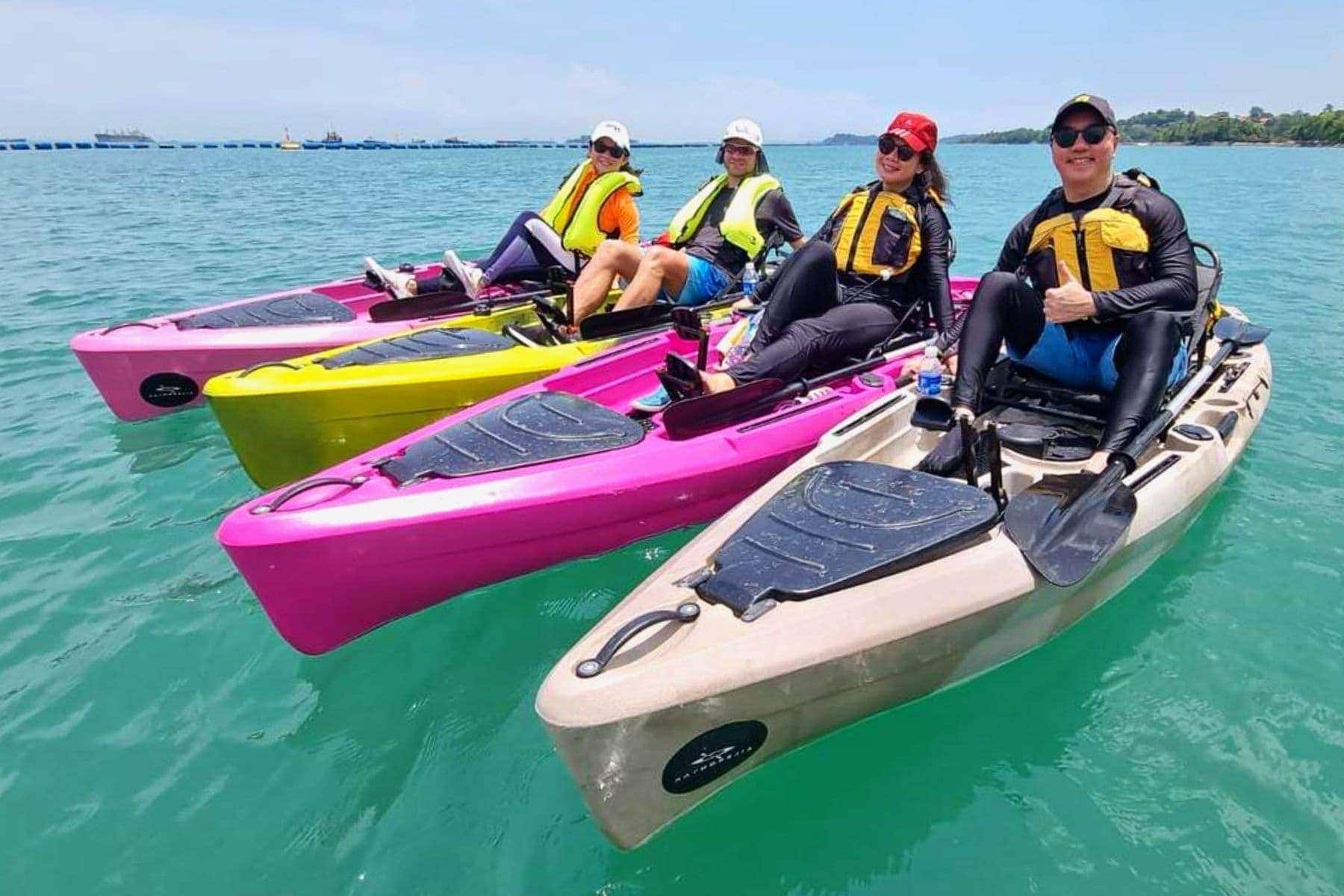
Our writers and editors look for the best Pedal Kayaks available. We test, research, and review the best products in different categories with a focus on quality, performance, and the overall value for the price.
Pedal Kayaks were developed back in the 90s to provide a hands-free way of propelling a kayak through the water. The concept was developed to provide a more efficient and ergonomic way to maneuver a kayak while engaging in activities such as fishing or photography.
The first commercially successful pedal kayak released on the market was by the Hobie Cat Company, which pioneered the Mirage Drive pedal-operated fins that propel the kayak through the water. Since then, other companies like Old Town, Brooklyn, Perception, and Wilderness Systems have developed their own pedal kayaks using similar propulsion systems.
Pedal kayaks are primarily used for recreation, such as fishing, touring, wildlife watching, and exercise. The hands-free propulsion system allows users to easily navigate and maneuver in the water, freeing up their hands to snap pictures, prepare lunch, or wrestle with a big catch.
The Top 6 Pedal Kayak in 2026
-
1
Best Overall: Wilderness Systems -
2
Most Portable: Perception Crank 10 -
3
Best for Fishing: Perception Pescador
All the Pedal Kayaks We've tested
Where to buy Wilderness Systems:
Amazon
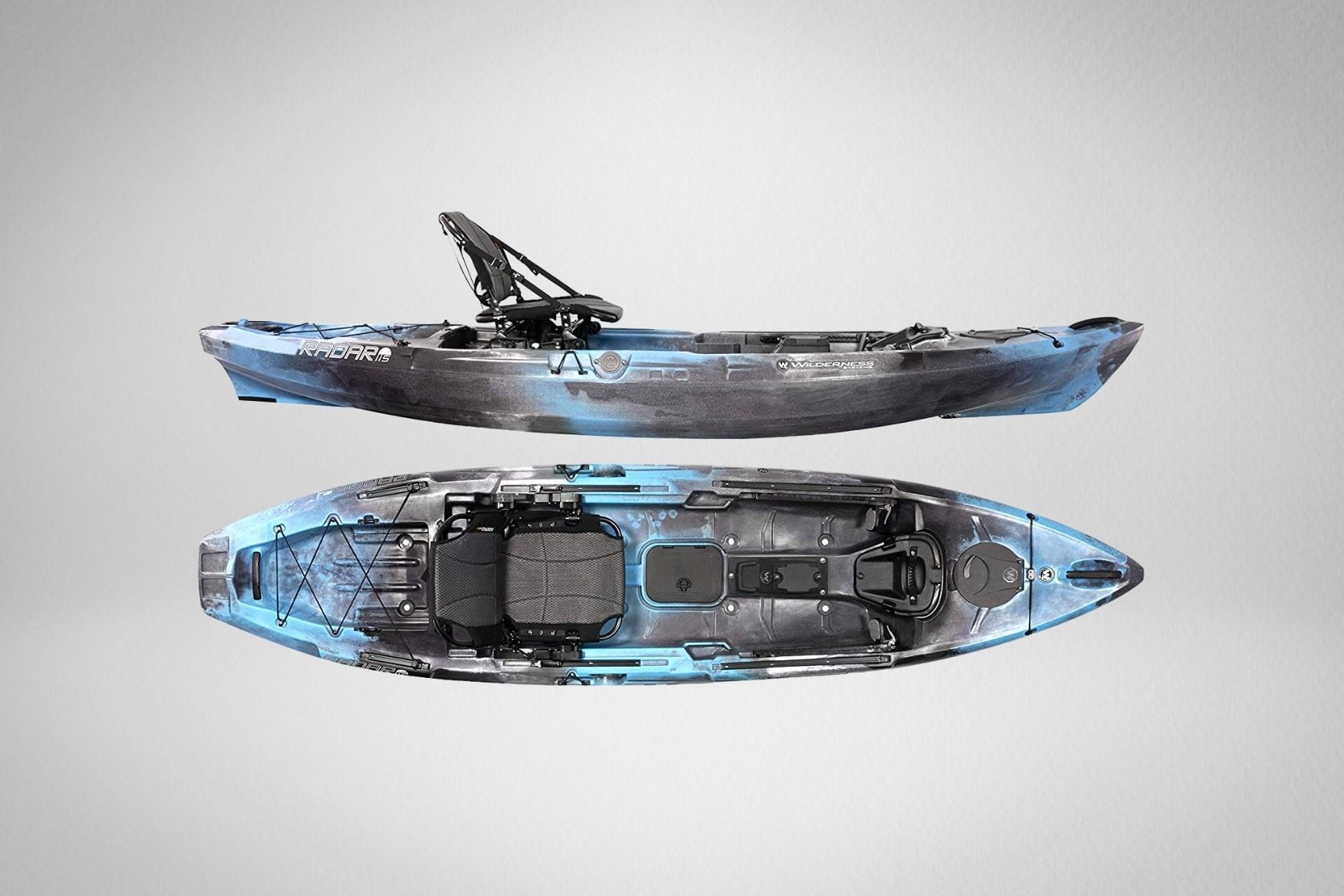
The tri-powered kayak by Wilderness Systems is a beast that can be operated by a beginner and a kayak professional. This watercraft features S.M.A.R.T technology that stands for; Stability, Maneuverability, Acceleration, Responsiveness, and Tracking, that can be observed throughout the whole boat.
It is compatible with Helix PD Pedal Drive and Helix MD Motor Drive (that have to be purchased separately), which provide you with the latest operational advancements that will satisfy all your electronics cravings. You have got a defined kneel line that helps to track, an upswept bow that promotes a dry ride, and a rockered chine that is responsible for steering.
The AirPro max seat built into the kayak is one of the most comfortable seats found on the market – it is crafted from durable mesh and includes an ergonomic 3D foam which provides you with a great level of airflow and back support.
- Type: Sit on Top
- Length: 12 foot 3 inches
- Weight Capacity: 400 pounds
- Dimensions: 140 x 34.5 x 15 inches
- Weight: 88 pounds
Things we like:
-
 It has a removable Flex Pod OS that foster fish finding
 -
SlideTrax rails help to keep your fishing essentials close to you
Things we don't like:
-
 The price tag is high
Where to buy Wilderness Systems:
Amazon
Where to buy Perception Crank 10:
Amazon
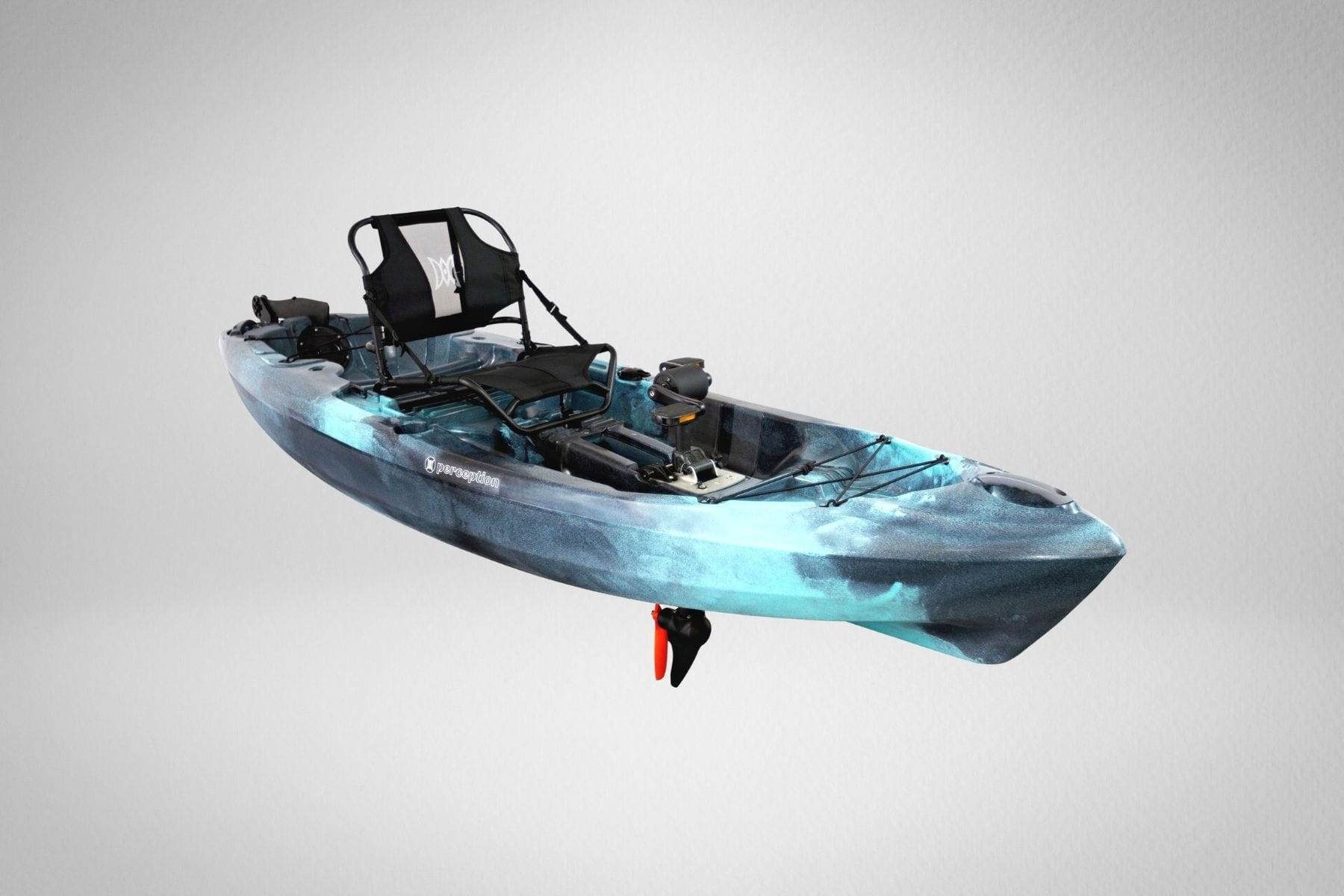
Not everyone needs a long boat to be able to sail on the weekends. Sometimes a 10-foot pedal kayak like the Crank 10 by Perception Kayaks is a better alternative. It works great on a variety of water surfaces including lakes, coastal waters, and ponds.
Featuring a breathable mesh seat that can be removed and a new generation pedal drive, this watercraft is hardly short of anything.
This kayak can effortlessly pedal back and forth through calm waters without the need to remove the drive before going back.
The deck of this kayak has plenty of storage room – the large back tankwell can hold the kayak crate, a dry bag, or a cooler with no additional conditions. This means you can go cruising around all day, and have quick and easy access to all of your onboard essentials at any point.
- Type: Sit on Top
- Length: 10 feet
- Width: 35 inches
- Weight Capacity: 350 pounds
- Weight: 87 pounds
Things we like:
-
The tough carry handles help in safely transporting the gear from A to B
-
The groove along with the bungee cord makes it easy for you to store your essentials while resting
Things we don't like:
-
The short length of the kayak might not be the optimal choice for some
Where to buy Perception Crank 10:
Amazon
Where to buy Perception Pescador:
Amazon
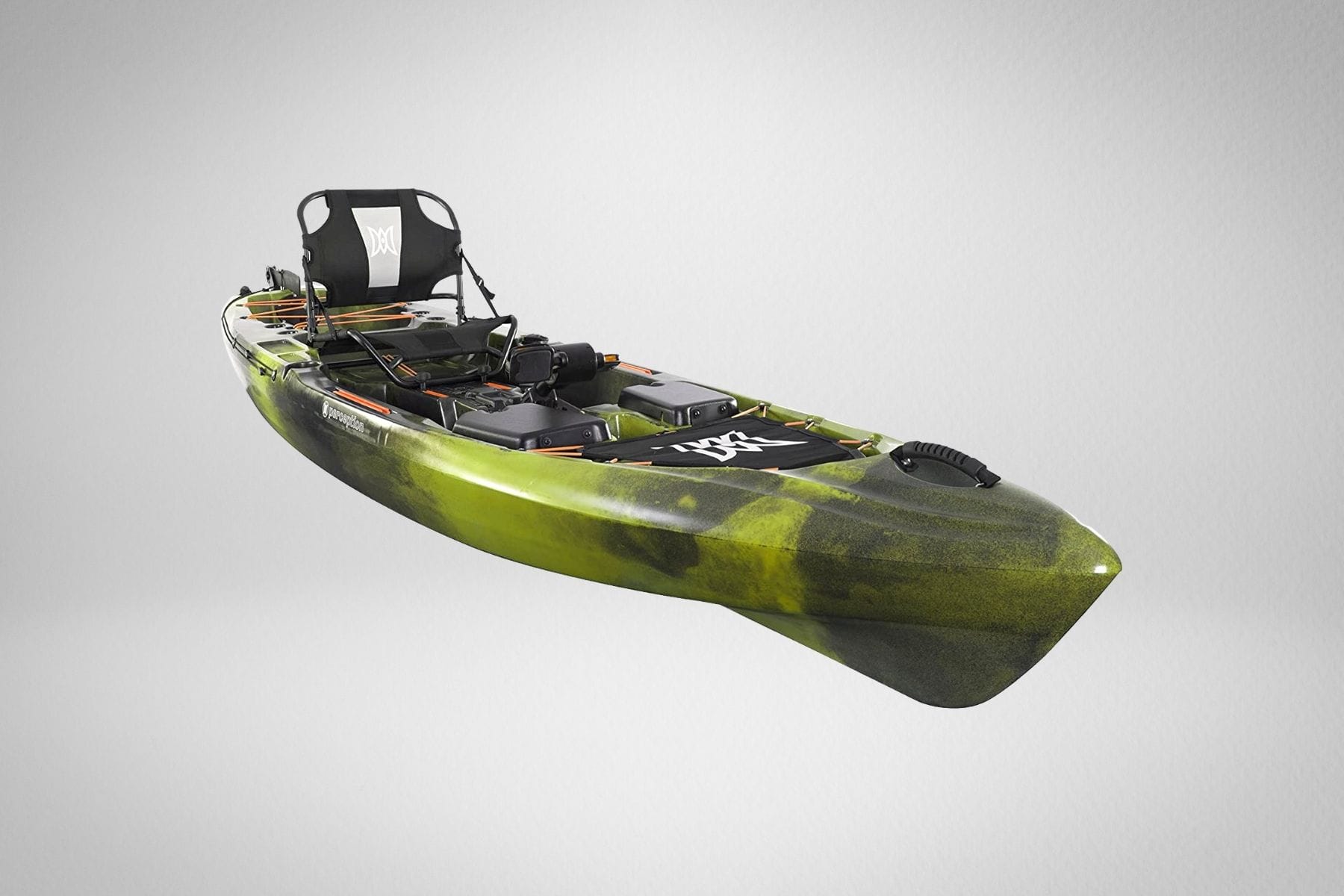
The Pilot Drive propeller system installed into the Perception Pescador pedal kayak is what draws the attention of the outdoor enthusiasts. It is what allows kayakers to have their hands free for taking pictures, sipping water, and actually enjoying nature.
The sit-on-top design is further embraced by the removable chair with front and back adjustments for comfortable fishing. The large storage area is composed of a cooler, tackle, and other accessories that supply your kayaking experience with the necessary attributes.
The stability you have when roaming around is of a high level – you are free to stand up and angle your fishing rod down in the water without worrying about falling over.
The four molded-in rear rod holders constitute the finishing touch that holds the standards high for other kayak manufacturers.
- Type: Sit on Top
- Length: 12 feet 5 inches
- Weight Capacity: 475 pounds
- Dimensions: 150 x 33.8 x 16 inches
- Weight: 85 pounds
Things we like:
-
There is additional storage space under the seat, which comes in handy more often than not
-
The drink holder stops your beverage from spilling no matter how intensely the boat is shaking
Things we don't like:
-
The price tag is high
Where to buy Perception Pescador:
Amazon
Related Reviews
Pedal Kayak Buyer’s Guide
Choosing the best pedal kayak will depend on your unique needs and preferences. Like purchasing any kayak, the main questions you should ask yourself are where you’ll be paddling (lakes, estuaries, open ocean, etc.), what your intended use for the kayak is (recreation, fishing, touring, etc.), how much you’ll be using the kayak and how much you want to spend.
What kind of kayaker are you?
With sit-on-top pedal kayaks, the question of paddling experience isn’t as relevant as if you were buying a touring kayak. Sit-on-top recreational kayaks are entry-level in nature because they’re built with stability in mind. Still, the question of experience level is likely more relevant in the activity you’re doing while paddling, such as fishing or photography, that might require additional space for gear or more secure storage for expensive equipment.
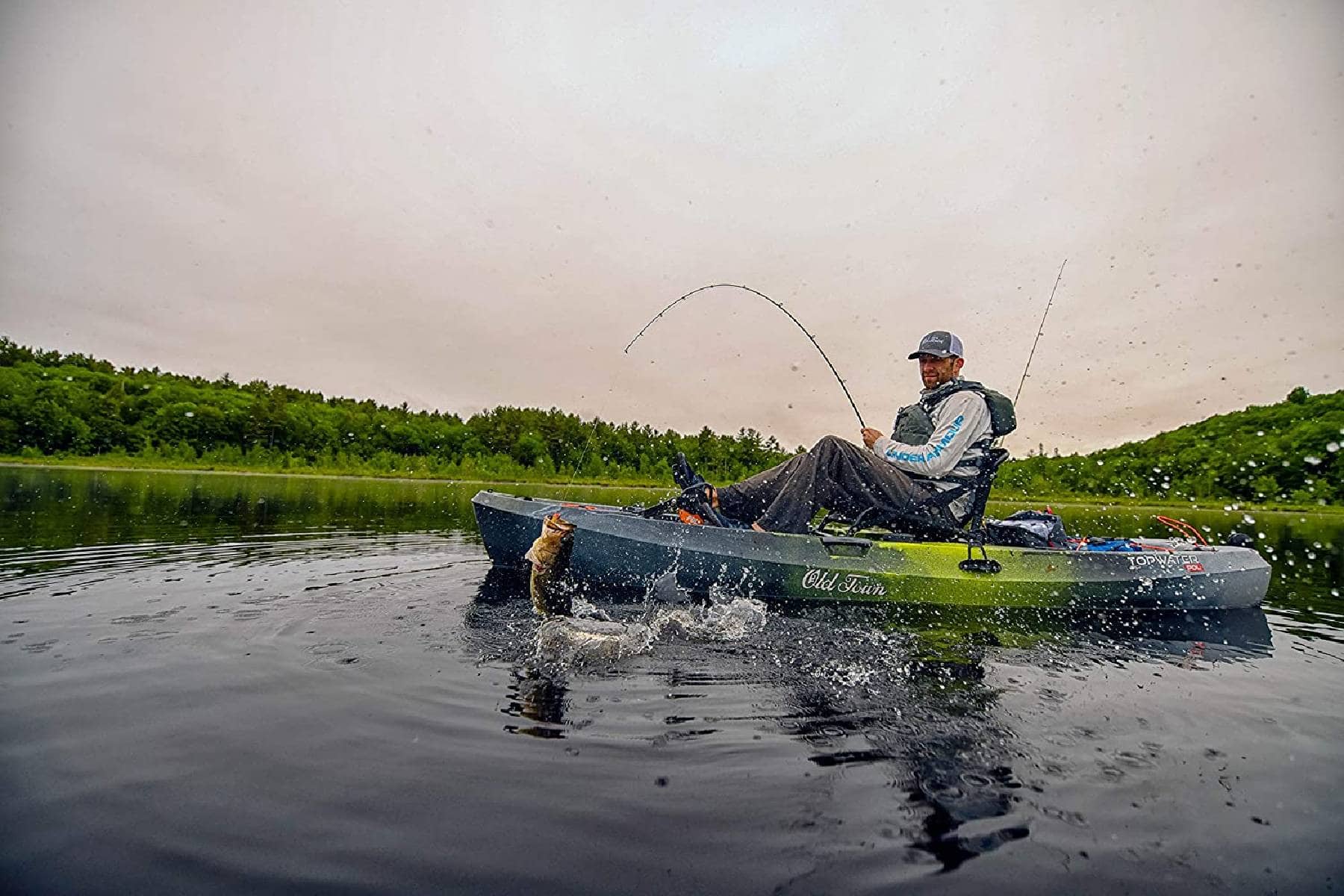
Pedal kayaks are popular among anglers because they provide an efficient and easy way to maneuver on the water while fishing. They also offer more stability compared to traditional kayaks, which makes it easier to stand up while casting and reeling in fish.
Pedal kayaks could also be used for light touring, but because they’re sit-on-top crafts, they’re generally not designed to tackle open water or haul a lot of overnight gear. Many do have waterproof hatches, however, like the Brooklyn PK13, Old Town Angler, and Hobie Mirage Outback, so an overnight trip isn’t out of the question.
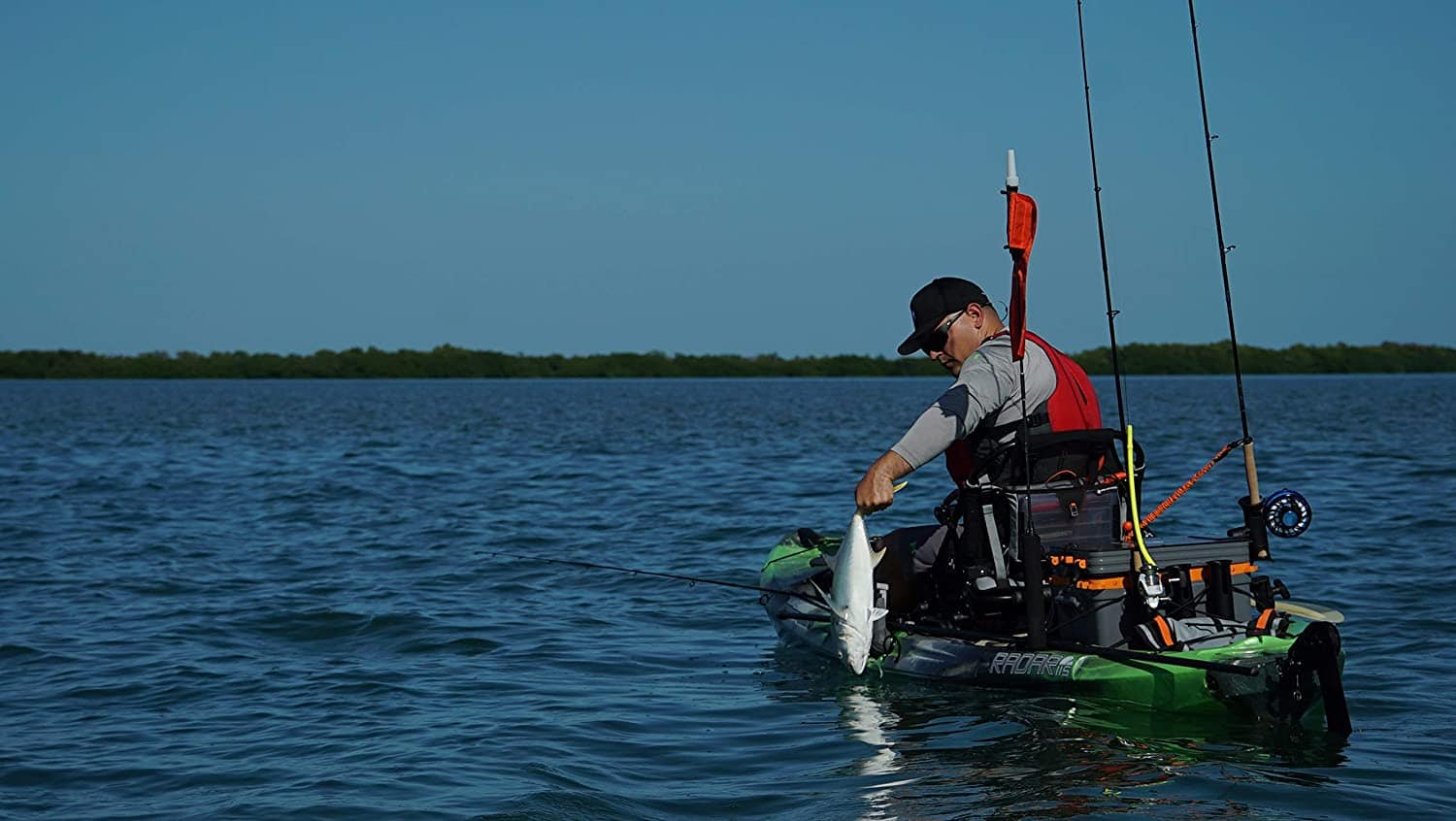
It’s essential to research the specific features of each craft, especially if you’re a little more experienced in this field and know what you’re looking for.
Whether you’re a pro or just starting out, however, our comprehensive guide below outlines the main factors to consider when choosing a pedal kayak including:
- Pedal System
- Tracking and Maneuverability
- Stability
- Materials & Durability
- Length
- Weight
- Storage Capacity
- Weight Capacity
- Comfort and Accessories
- Budget
Pedal System
When shopping for a pedal kayak, one of the most important features to consider is the type of pedal system it uses. The pedal system is what allows you to propel the kayak forward using your legs.
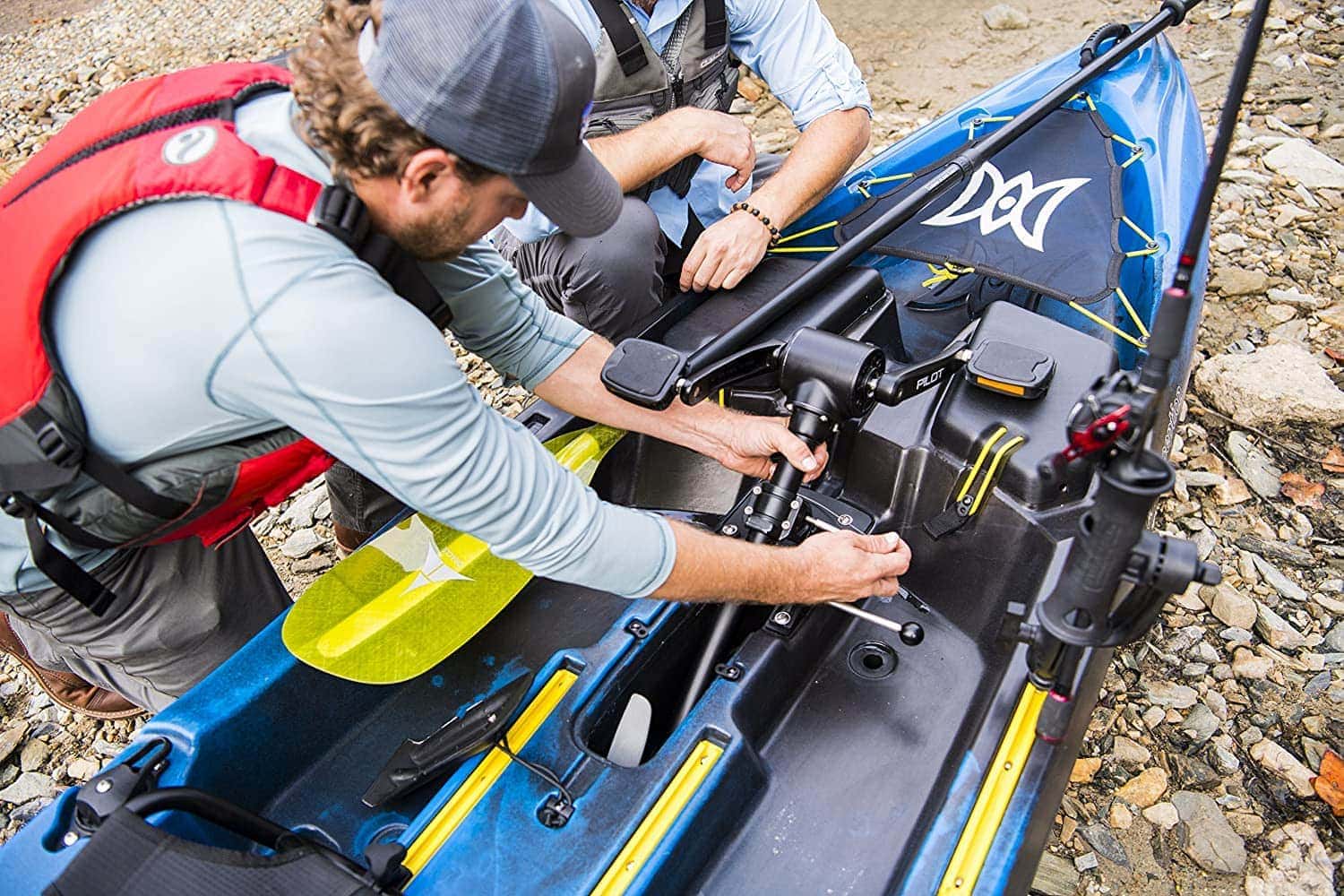
There are two main types of pedal systems used in kayaks: rotational and push pedal systems. Rotational pedal systems use a circular motion, similar to a bicycle pedal, while push pedal systems use a back-and-forth motion like an elliptical trainer.
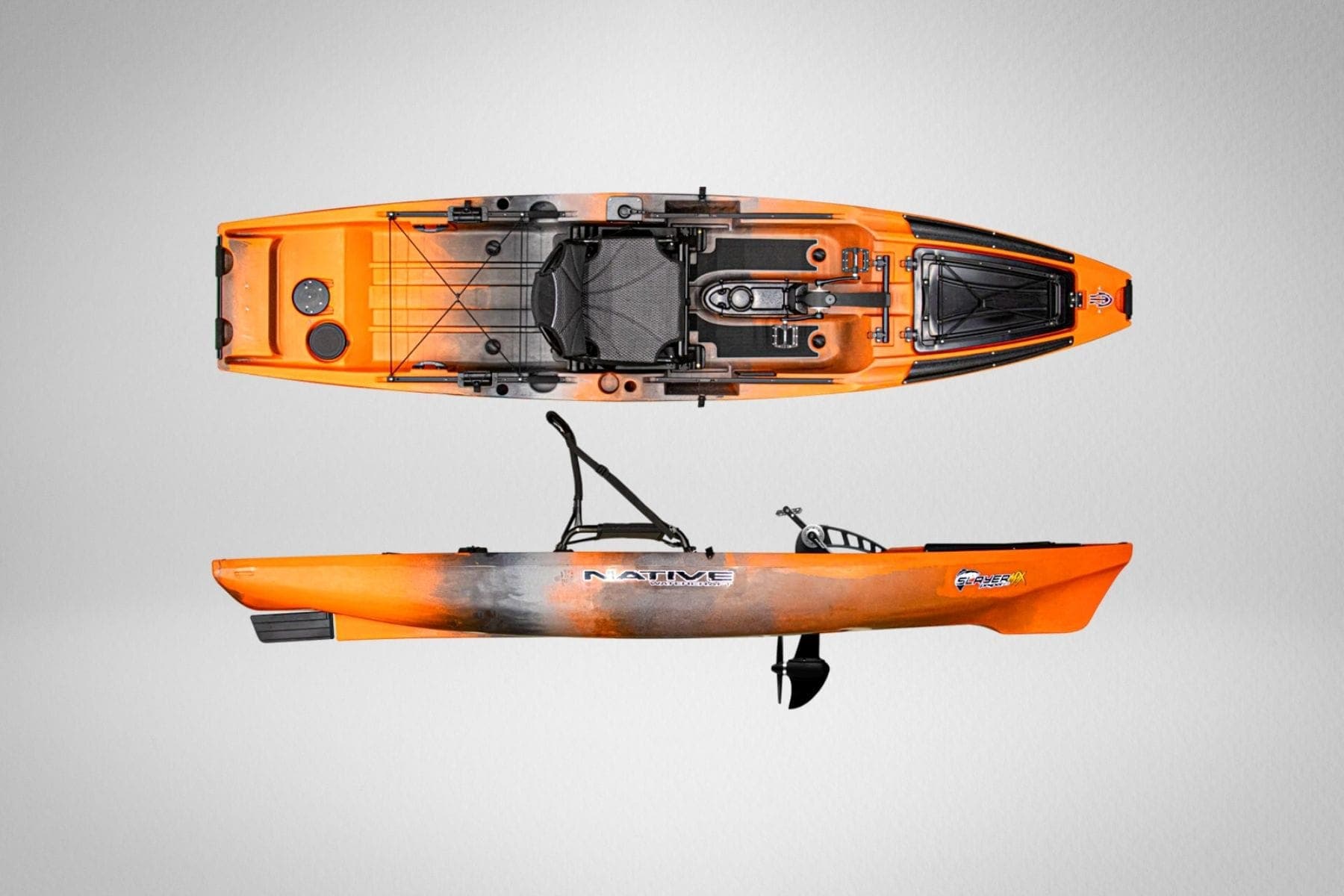
Rotational pedal systems are generally considered more efficient, as they allow you to generate more power with each stroke and maintain a steady speed with less effort. They also tend to be more responsive and agile, making them a good choice for fishing and quick maneuvering. Examples of kayaks with rotational pedal systems include the Brooklyn PK13, Old Town Angler, and the Native Watercraft Slayer Propel Max.
Push pedal systems, on the other hand, tend to be more comfortable for longer paddling sessions, as the back-and-forth motion is easier on your joints and muscles. They also tend to be quieter and smoother, making them a good choice for bird watching or wildlife photography. Examples of kayaks with push pedal systems include the Perception Crank 10 and the Hobie Mirage Outback.
Tracking and Maneuverability
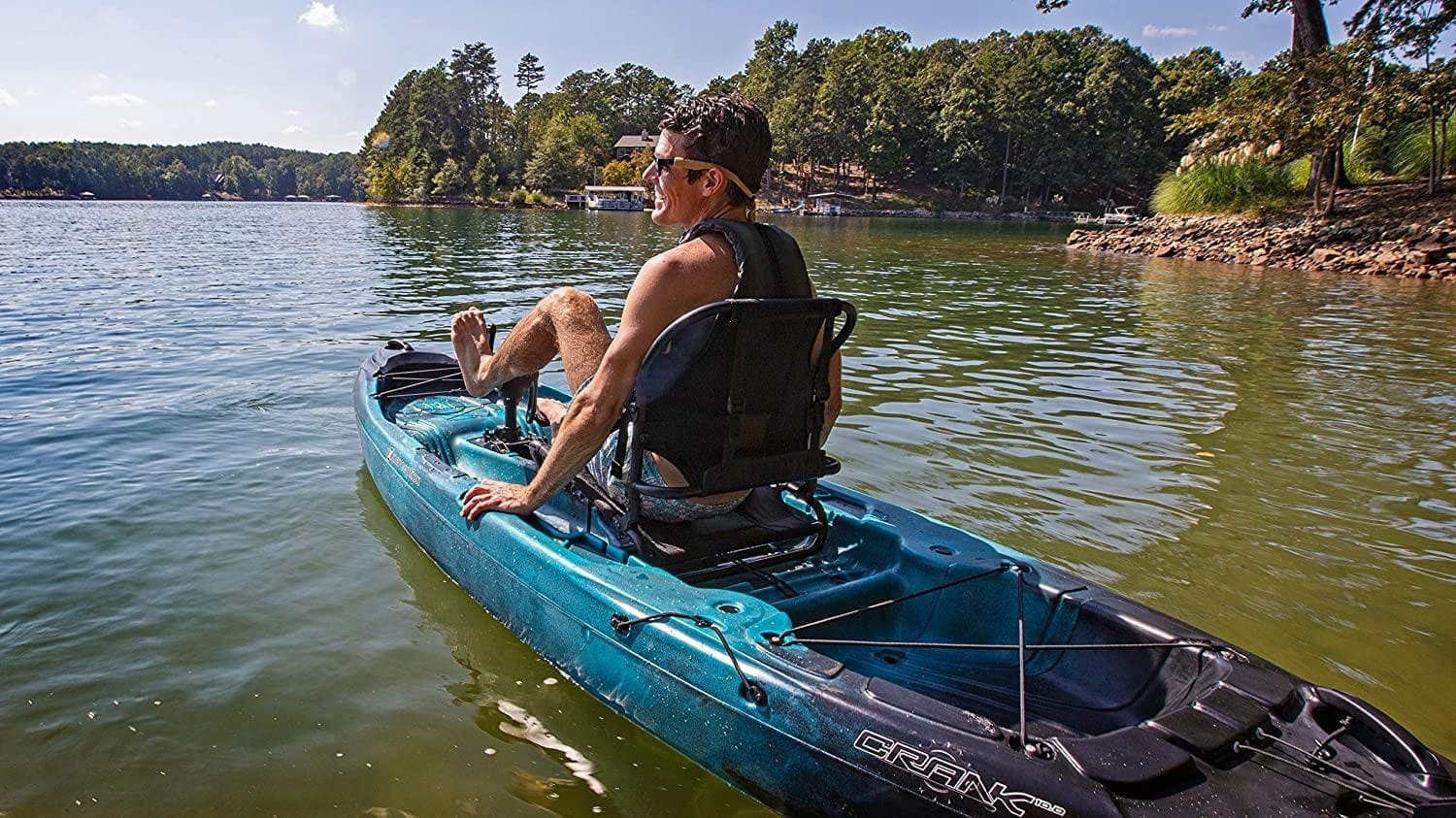
When selecting a pedal kayak, it’s important to consider its tracking and maneuverability. Tracking refers to the ability of the kayak to move in a straight line, while maneuverability refers to its ability to turn quickly and navigate through the water.
The shape and design of the hull can have a big impact on tracking and maneuverability. Kayaks with longer and narrower hulls tend to track better and move faster through the water, while those with shorter and wider hulls are generally more maneuverable and easier to turn.
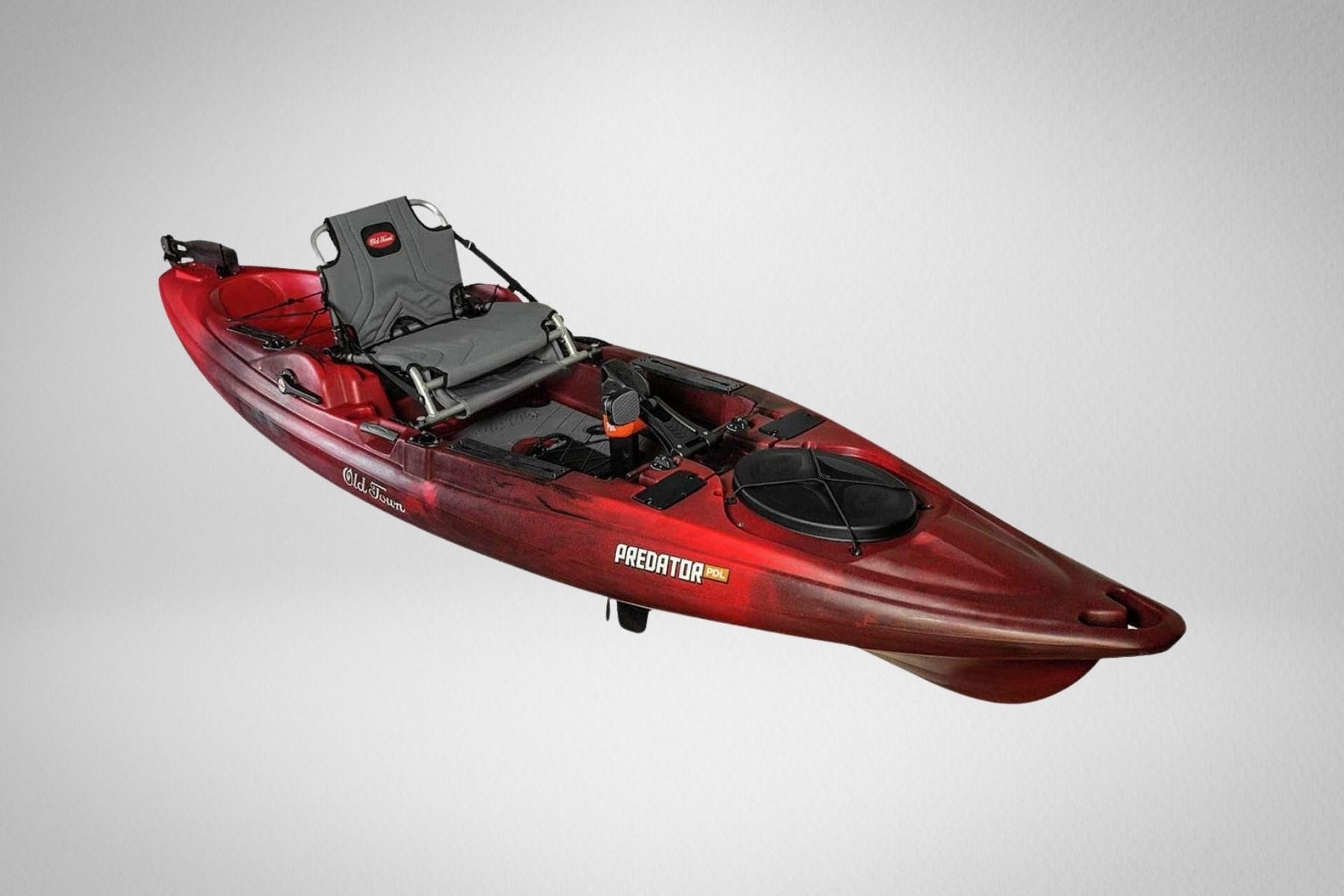
For example, the Old Town Predator has a longer and narrower hull, making it an excellent choice when speed and stability are important. Meanwhile, the Perception Crank 10 has a shorter hull, which makes it easier to maneuver.
Other factors that can affect tracking and maneuverability include the placement and design of the rudder or skeg, and the weight distribution of the kayak. Some kayaks also come with adjustable features like removable fins that allow you to fine-tune the tracking and maneuverability to suit your needs.
When choosing a pedal kayak, consider the type of paddling you plan to do and the conditions you’ll be facing. If you’re paddling in open water, you may prioritize tracking and stability, while if you’re fishing in creeks or streams, you may prefer better maneuverability and agility.
Stability
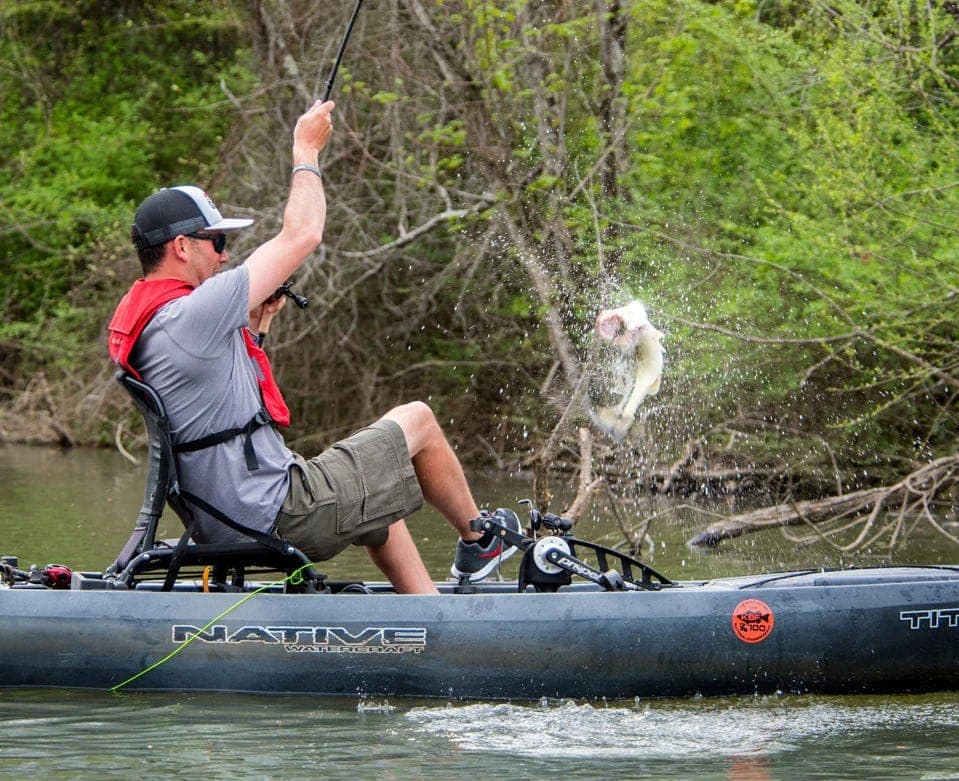
Stability is an important consideration when selecting a pedal kayak, especially if you plan to use it for fishing, photography, or any other activity where you’ll need to be stationary or standing up in the kayak. Stability refers to how well the kayak resists tipping over or rocking from side to side when thrown off balance.
The kayak’s width is one of the most critical factors regarding stability, as wider kayaks tend to be more stable and are less likely to tip over than narrower ones. For example, the Native Watercraft Titan has a wide hull, making it very stable and ideal for standing up in while fishing.
The design of the hull can also affect stability. Some kayaks have a flat bottom or pontoon-style hull, which increases stability but can make the kayak slower and less maneuverable. Other kayaks have a V-shaped or rounded hull, which allows them to move through the water faster but can make them less stable.
Other factors that can affect stability include the weight distribution of the kayak and the height of the seat. Some pedal kayaks have adjustable seats that allow you to fine-tune the stability to suit your individual needs.
When choosing your pedal kayak, consider the type of activity you plan to use it for and the conditions you’ll be paddling in. A stable kayak is essential if you plan to stand up and use it for fishing. However, if you plan to use it for long-distance touring, you may prioritize speed and tracking over stability.
Materials & Durability
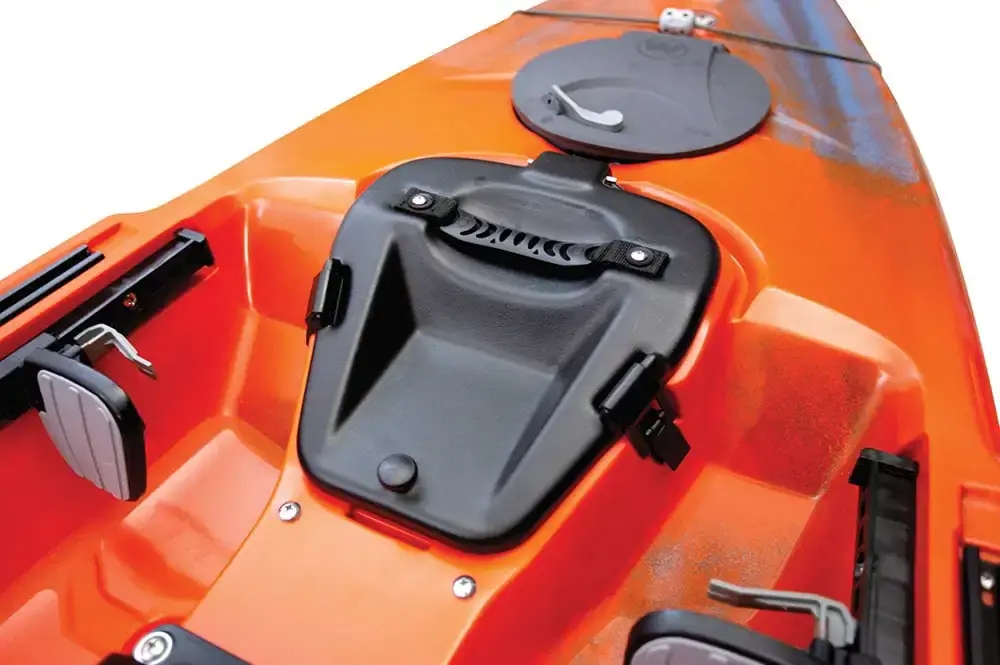
Materials are an important consideration when choosing a pedal kayak, as they can affect its durability, weight, and performance. Most pedal kayaks are made from either rotomolded polyethylene or thermoformed ABS (Acrylonitrile Butadiene Styrene) plastic.
Rotomolded polyethylene is a durable, inexpensive, and easy-to-repair material that is used in many kayaks. It’s resistant to impact and abrasions, which makes it ideal for rough waters and rocky shorelines. However, it can be heavier than other materials, affecting the kayak’s speed and maneuverability.
Thermoformed ABS plastic is a lightweight and rigid material that is becoming increasingly popular in kayak construction. It’s not as robust as rotomolded polyethylene, and is often more expensive. But compared to fiber composite materials like Kevlar, both rotomolded polyethylene and thermoformed ABS are a lot more durable.
In addition to the kayak’s material, the pedal system’s durability is also an important consideration. Look for kayaks that have a robust and reliable pedal system with components made from high-quality materials. Stainless steel or aluminum components are ideal, as they are resistant to rust and corrosion.
Another factor to consider is the warranty offered by the manufacturer. Most reputable kayak manufacturers provide warranties on their products, which can give you peace of mind and protect your investment.
Length
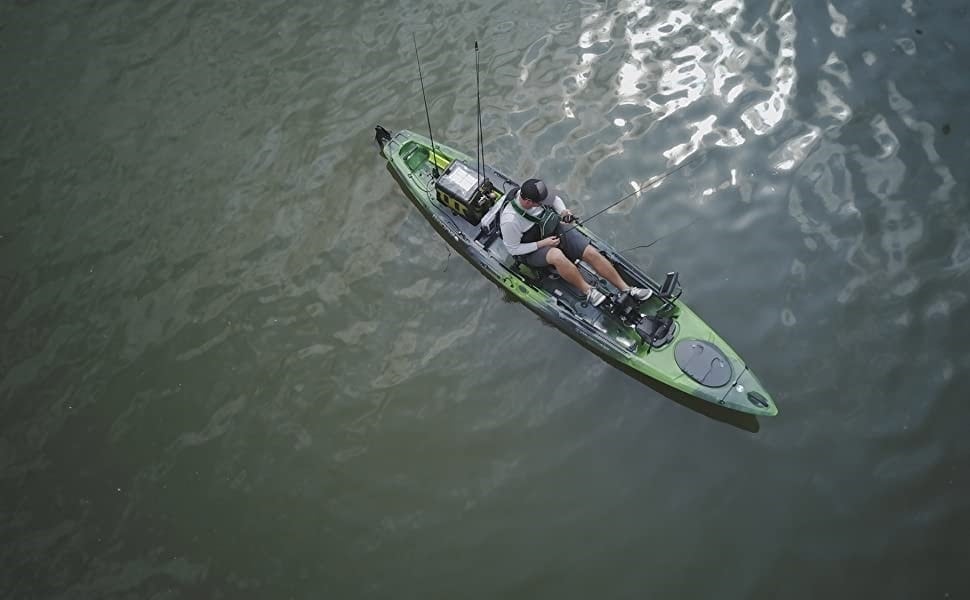
The length of your pedal kayak can impact its speed and performance. Longer kayaks tend to be faster and more efficient at covering long distances, while shorter kayaks are more maneuverable and easier to turn.
If you plan to use your pedal kayak for touring, a longer craft may be a better choice. Longer kayaks can maintain higher speeds with less effort, which can be important for covering long distances. They also tend to track better, which means they will stay on course more easily.
On the other hand, if you plan to use your kayak for fishing or recreational paddling in smaller bodies of water, a shorter kayak may be a better choice. Shorter kayaks are more maneuverable and easier to turn, which can be necessary when navigating around obstacles. They can also be easier to transport and store, as they are usually lighter and more compact.
Weight
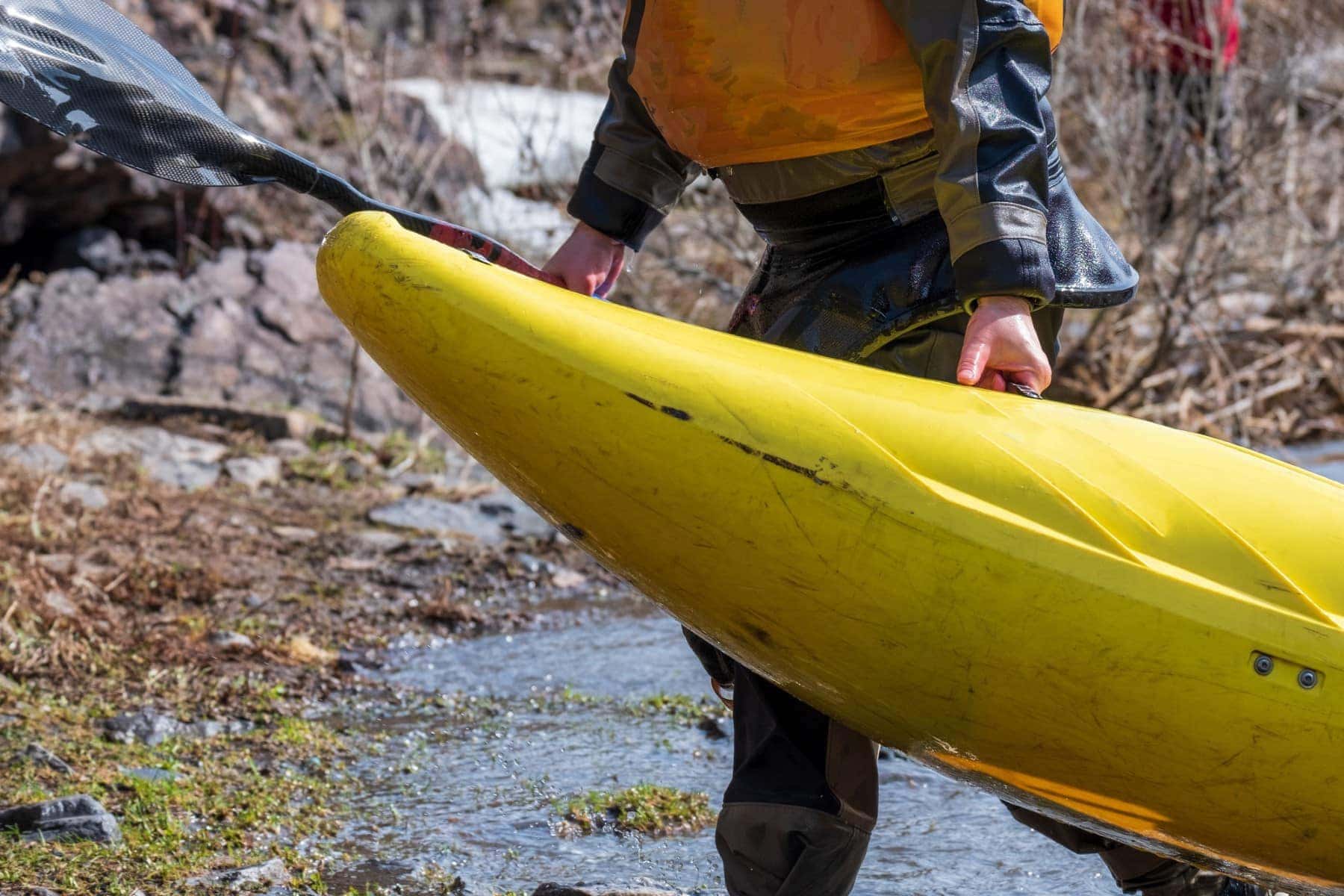
The weight of a pedal kayak will affect its performance and ease of use. Lighter kayaks are easier to transport and maneuver, while heavier kayaks tend to be more stable and durable.
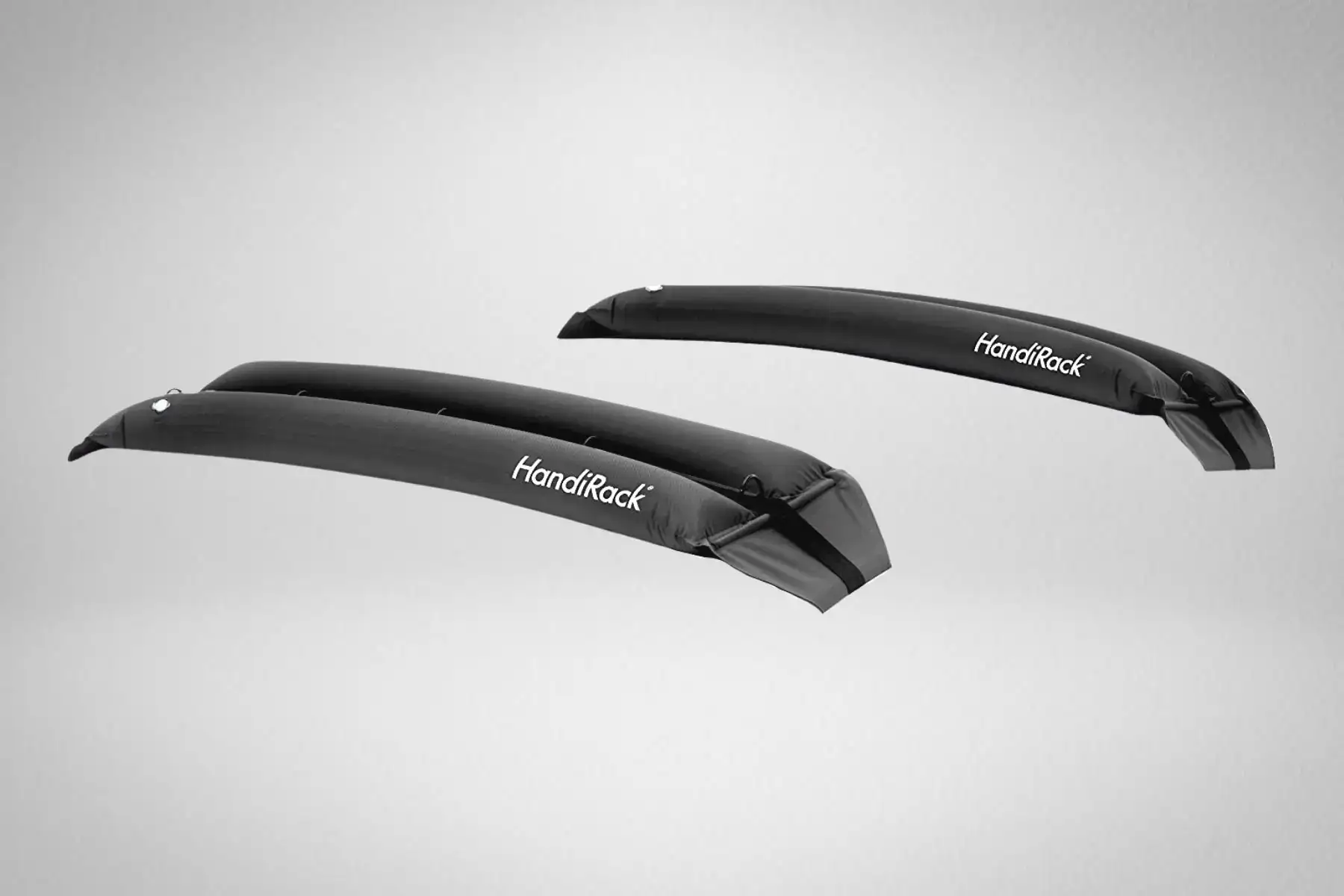
If you plan to transport your kayak frequently or need to lift it onto a roof rack, a lighter kayak may be a better choice, especially if you’re paddling solo. Having said that, there are racks like the Thule 898 Pro Hullavator that make loading your kayak onto your car effortless.
If durability and stability are a priority or you plan to use your kayak for fishing or other activities where you will be stationary for extended periods, owning a heavier kayak may not be an issue. Heavier kayaks tend to be more stable and less affected by wind and waves and are often more durable and able to withstand heavy use.
It’s important to note that the weight of a pedal kayak will vary depending on the materials used, the length of the kayak, and accessories. Some lightweight kayaks may sacrifice storage compartments or accessories such as rod holders and anchoring systems.
Storage Capacity
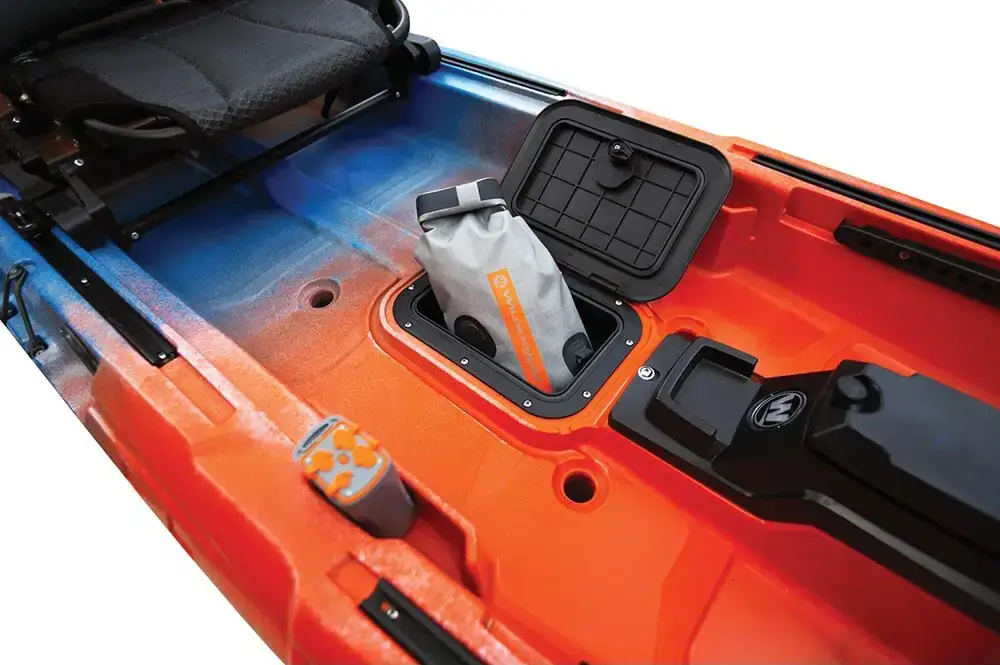
Storage is an element that can be easily overlooked when first buying a kayak until you realize how much gear you want to carry. The amount and type of storage space in a kayak can vary widely depending on the model and design.
Some kayaks come equipped with built-in storage compartments, such as hatches and wells, that can be used to store gear and supplies. These compartments can help keep your belongings organized and waterproof. Other kayaks may feature external storage options, such as bungee cords and attachment points, that can be used to secure gear and equipment to the kayak’s deck or cockpit.
When considering storage capacity, it’s important to think about the amount of gear and supplies you plan to bring with you. Fishing gear, camping equipment, and food and water supplies can occupy valuable space in your kayak. You’ll want to choose a pedal kayak with enough storage capacity to accommodate your needs without weighing down the kayak or impeding your ability to pedal and maneuver.
It’s also important to consider the accessibility of the storage compartments. Some kayaks feature easy-to-reach compartments that can be accessed while you’re on the water, while others may require you to stop and exit the kayak to access your gear. Think about how you plan to use the kayak and what types of items you’ll need to access frequently in order to choose a model with the most convenient storage options.
Weight Capacity
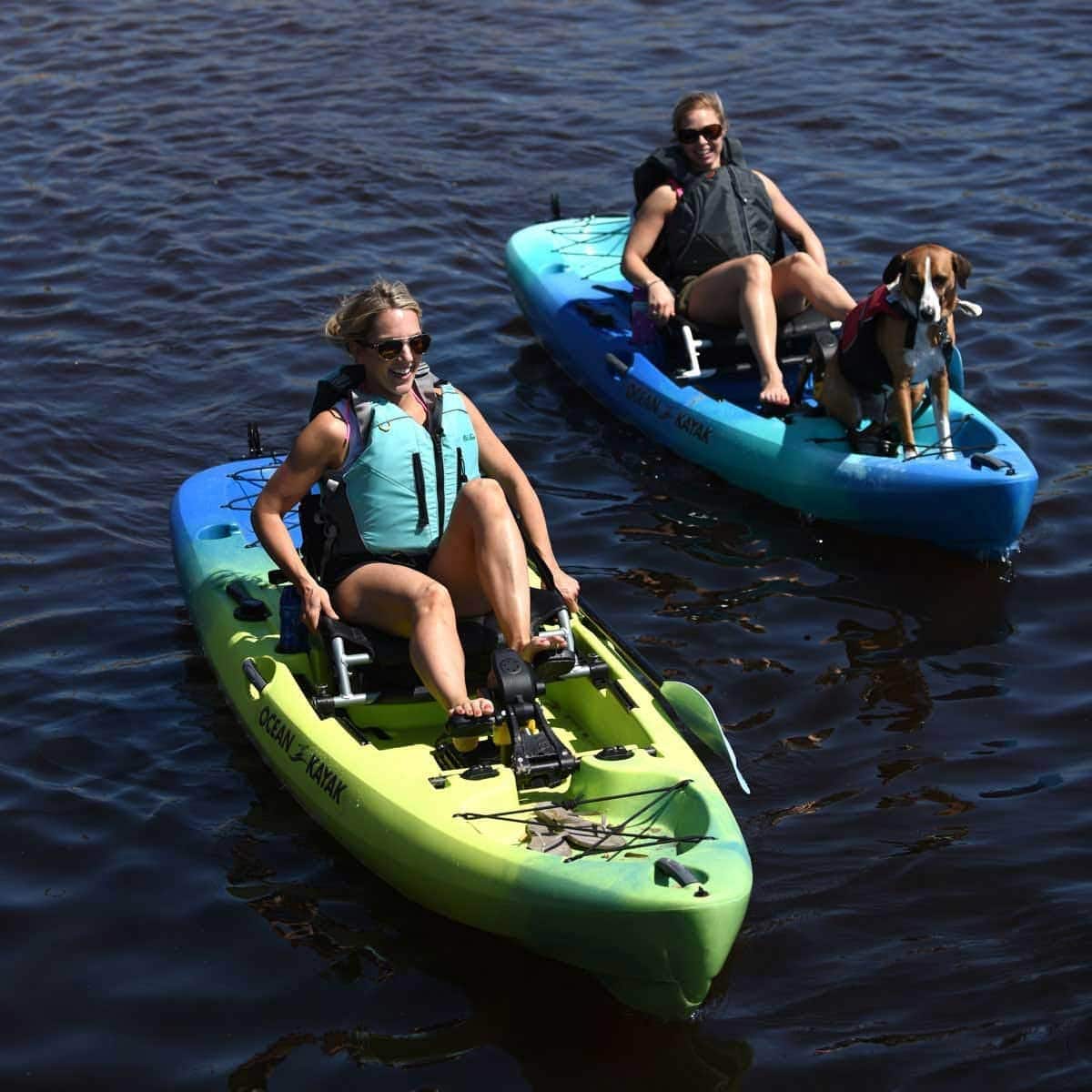
Weight capacity is important to consider when choosing a pedal kayak. This refers to the maximum weight the kayak can support without becoming unstable or unsafe. The kayak’s weight capacity will vary depending on the kayak’s construction and design.
When considering weight capacity, you’ll want to consider your own weight and the weight of any gear or supplies you plan to bring with you. The weight capacity of a kayak is not just a matter of performance but also safety. Overloading a kayak can make it unstable and increase the risk of capsizing.
When considering the weight capacity of your pedal kayak, think about its intended use. If you plan to use it for activities such as fishing or camping, you may need a higher weight capacity to accommodate your gear. It’s always better to choose a kayak with a weight capacity that exceeds your needs rather than one that is barely sufficient, as this will ensure a margin of safety and a more stable experience on the water.
Comfort and Accessories
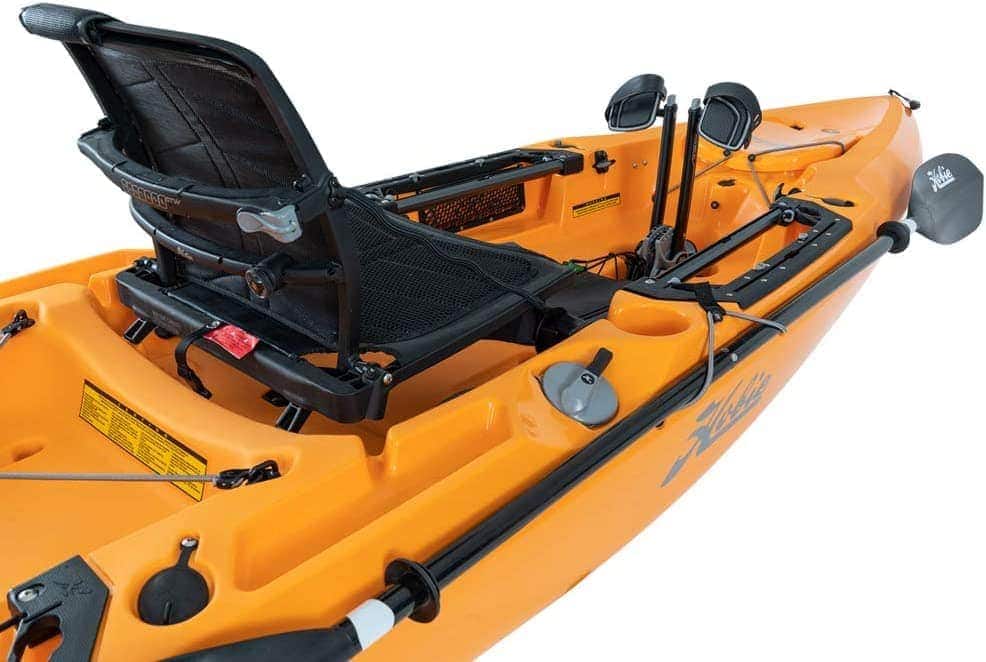
Comfort is important as spending long hours on the water can take a toll on your body. You’ll want to look for a pedal kayak with a comfortable seat that has adjustable elevation and provides good back and lumbar support. The chair should also be made from a breathable mesh which allows for ventilation and has enough cushioning for long hours of sitting down.
Adjustable legroom is also important to accommodate your leg length and pedaling motion. Ergonomics are important when kayaking, especially when pedaling long distances or spending hours on the water.
In addition to comfort, there are a variety of accessories that can enhance your kayaking experience. For example, fishing enthusiasts may want to consider a kayak with built-in rod holders or mounts for a removable fish finder. Other popular accessories include waterproof storage compartments, cup holders, and anchor systems. Some kayaks even come with built-in electronics, such as GPS or sonar systems.
When considering accessories, keep in mind they will add to the overall cost of the kayak. It’s important to choose accessories that are appropriate for your intended use and budget. You may also want to consider purchasing accessories separately, as this can give you more flexibility to choose the specific items you want.
Budget
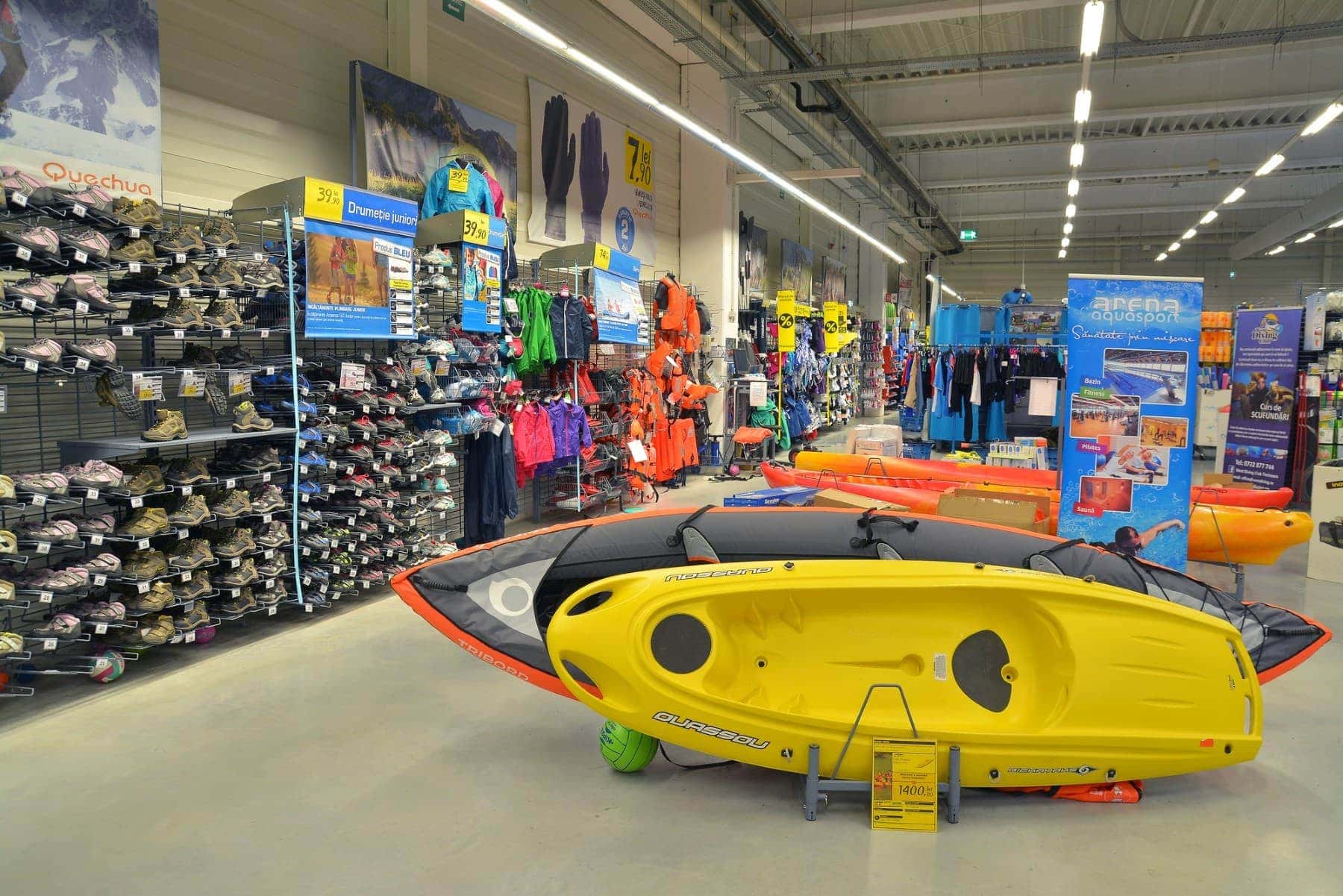
When buying a pedal kayak, you should consider your budget as it will determine the quality and features of the kayak you can afford. Pedal kayaks can range in price from a few hundred dollars to several thousand dollars, depending on the brand, materials used, features, and accessories.
If you are on a tight budget, you can still find a good-quality pedal kayak that meets your needs. However, you may need to compromise on features such as storage capacity, comfort, and accessories. Cheaper models may also be made from less durable materials, which may affect the lifespan of the kayak.
On the other hand, if you have a more flexible budget, you can choose from a wider range of pedal kayaks with more advanced features. For example, higher-end models may have more storage capacity, better tracking and maneuverability, and improved stability. They may also come with superior seats, adjustable pedals, flexible fins, and additional accessories such as rod holders, cup holders, and GPS.
It is important to remember that the price of the kayak is not the only expense you will have. You may also need to factor in the cost of additional accessories such as paddles, PFDs, other safety gear, and transport equipment.
Ultimately, you want to find a balance between your budget and the features and quality of the kayak. Consider what is most important to you, and then look for the best options within your budget. By researching and comparing the different brands and models in the article above, we hope you’ll find the ideal pedal kayak for your unique needs.
Frequently asked questions
For a kayak to be considered the best in its class, it has to combine comfort, stability, buoyancy, and maneuverability.
Check out our favorite pedal kayaks:
- Best Overall: Wilderness Systems Sit-on-Top Fishing Kayak
- Most Portable: Perception Crank 10 Pedal Kayak
- Most Versatile: Old Town Angler Fishing Kayak
- Best for Fishing: Perception Pescador Pedal Kayak
- Highest Weight Capacity: Brooklyn PK13 Pedal Kayak
A pedal kayak is a kayak that has pedals that move the kayak. Unlike the paddling used in traditional kayaks, a pedal kayak is operated using the kayaker’s legs, either pushing or rotating the pedals to generate thrust.
A pedal kayak works by using the force of your feet to power the fins or propeller that is directly under the hull of the kayak. The kayaker’s legs do the work instead of the kayaker’s hands and fins or propellers are used to generate power instead of paddles or oars.
There are 2 types of pedal kayaks – push pedals and rotational pedals. The main difference is in the mechanism behind these kayak use for propulsion. Push pedal kayaks require you to pedal with your feet in order to move forward. Since you are using your leg muscles to push the pedals back and forward.
Rotational pedal kayaks, on the other hand, feature a bicycle-like system that activates once you start pedaling the gear. These are easier to use than the push pedal system and is better suited for beginners.
Legally you should have a PFD on board with you whenever you are kayaking. This is no different for pedal kayaks. It is particularly important for those who have difficulty swimming. Check out our list of best life vests:
- Great Mobility: Onyx MoveVent Dynamic Paddle Sports Life Jacket
- For Wakeboarding: Stohlquist Fit Life Jacket
- For Watersports: O’Brien Focus Neoprene Life Jacket
- Affordable: Onyx General Purpose
- Champion Angler: NRS Chinook Fishing

 Back
Back




Comments